If you’ve been tracking 2025’s smartphone landscape, the launch of the Zenfone 12 Ultra is one of the more interesting flagships — even if it’s not yet officially released in the US. With rising demand for high-performance Android phones that combine robust hardware, long battery life, and AI-driven features, ASUS seems to have aimed to deliver a balanced “do-everything” device. The Zenfone 12 Ultra hits that sweet spot for power users, creators, and anyone who values battery life and camera versatility.
At a time when many phones sacrifice features (like headphone jacks or true battery endurance) for slimness and style, this model leans into practicality without losing premium vibes. For international users and import-market buyers in the US who don’t mind the extra steps, the Zenfone 12 Ultra could be a compelling alternative to mainstream flagships.
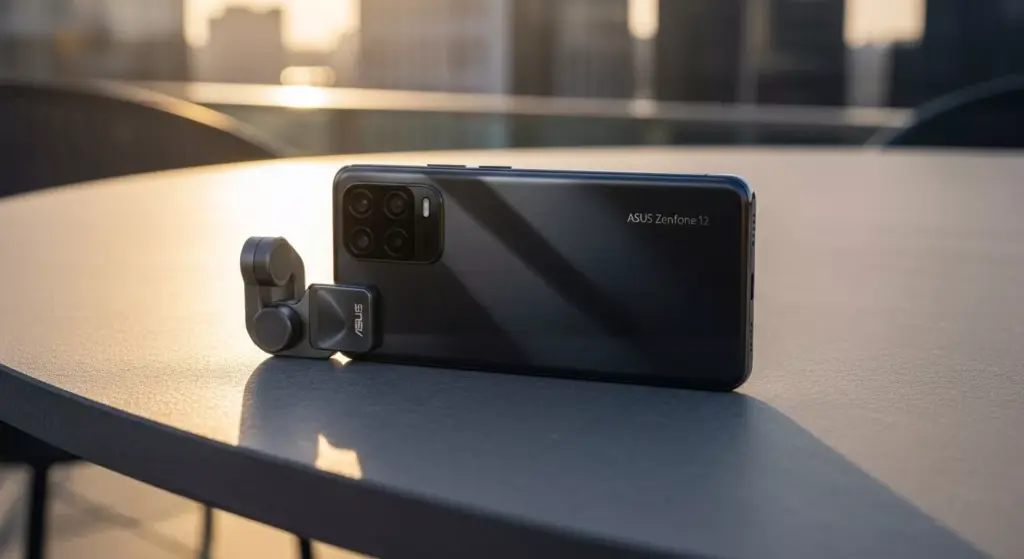
What’s under the hood — hardware and design highlights
The Zenfone 12 Ultra is built to impress. Here’s a quick summary of its core specs:
| Spec / Feature | Detail |
|---|---|
| Display | 6.78″ Samsung E6 LTPO AMOLED, FHD+ (2400×1080), 1–120 Hz (up to 144 Hz for gaming), up to 2,500 nits peak, Gorilla Glass Victus 2 |
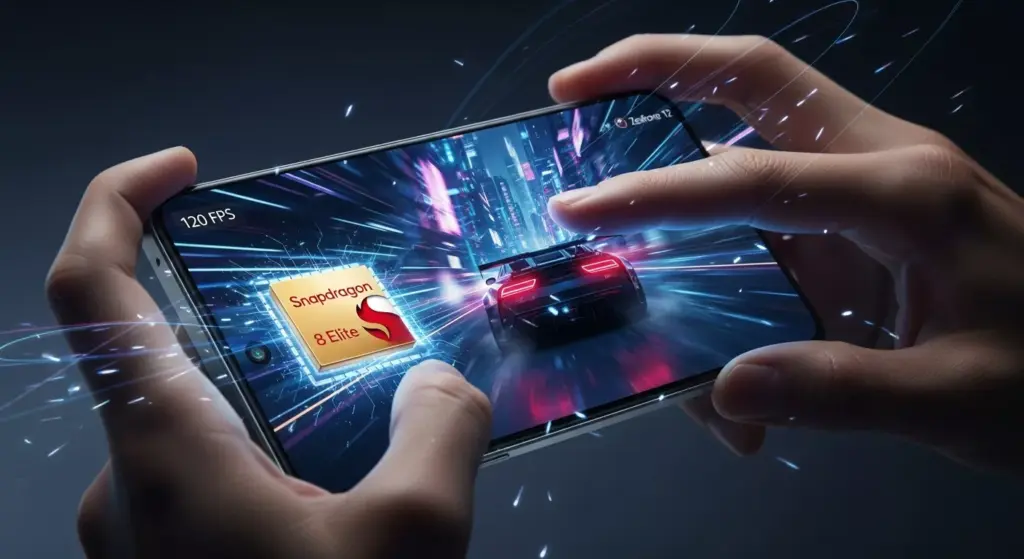
| Processor / Memory | Qualcomm Snapdragon 8 Elite Mobile Platform, up to 16 GB LPDDR5X RAM, up to 512 GB UFS 4.0 storage |
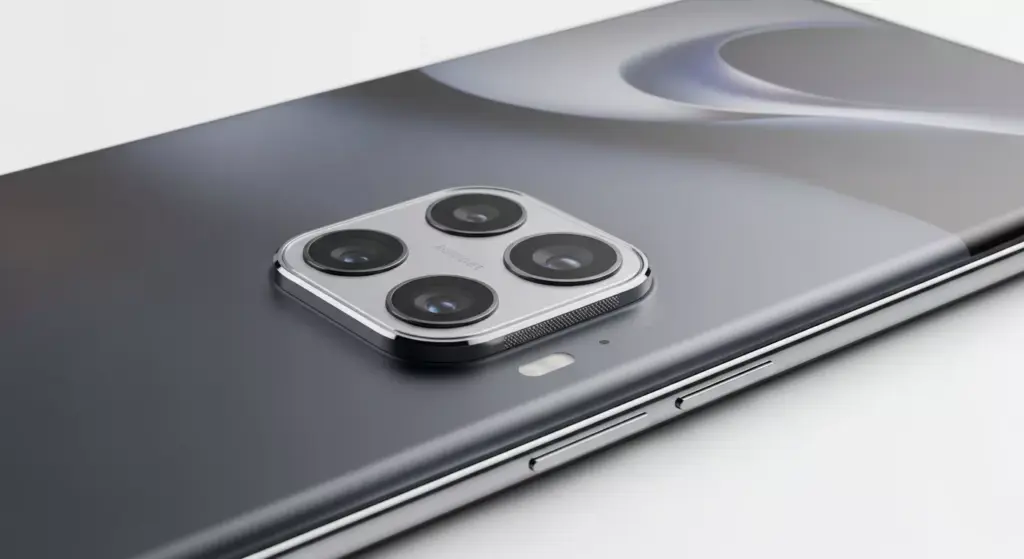
| Rear Cameras | Triple-camera: 50 MP Sony Lytia 700 (wide) with 6-Axis Hybrid Gimbal Stabilizer, 13 MP ultrawide (120°), 32 MP telephoto with 3× optical zoom + OIS |
| Front Camera | 32 MP (RGBW sensor, support for quality selfies and video calling) |
| Battery & Charging | 5,500 mAh dual-cell battery, 65 W wired fast charging (full charge in ~39 min), 15 W wireless charging, Qi 1.3 standard |
| Build & Materials | Matte glass back, recycled aluminum frame, IP68 water & dust resistance, slim bezels ― premium design |
| Connectivity & Extras | Wi-Fi 7, 5G, NFC, Bluetooth 5.4, eSIM support, stereo speakers, 3.5 mm headphone jack, in-display fingerprint sensor |
Real-life impact: That huge 5,500 mAh battery plus efficient Snapdragon 8 Elite means you’re less likely to run out of juice halfway through a busy day — ideal for heavy users, frequent travelers, or power users. The LTPO AMOLED display with high brightness and adaptive refresh rate makes it great for everything from streaming outdoors to gaming. The camera setup — especially with the gimbal-like stabilizer — promises steady video and quality photos, whether you’re shooting sunsets on vacation or vlogging on the go.
Take a look at this post : Fairphone 6 Launches in U.S. — Eight Years of Updates & Repairability
AI & Software — More than just hardware
One of the key selling points for the Zenfone 12 Ultra is how ASUS layers AI functionality on top of strong hardware. At launch, the phone came with Android 15 and a suite of AI-powered tools.
Among notable features:
- On-device and cloud AI — including tools like AI-driven text summarization (via Meta’s Llama 3 8B model), real-time voice translation for calls and VoIP apps, and call transcription tools.
- AI-enhanced photography modes: AI-powered portrait video, AI Night Vision, AI Object Sense, and a hybrid Gimbal Stabilizer for smoother video — making this phone appealing not just for casual users but for vloggers, social-media creators and frequent travelers.
With the update to Android 16 rolling out in late 2025 for many units, the software experience gets even smoother. The update (version 36.0810.1810.43) brings tweaks like improved navigation gestures, better screen-recording controls, and bug fixes for Bluetooth call audio stability.
Where the Zenfone 12 Ultra stands out — and where it lags
Strengths:
- Excellent overall performance thanks to Snapdragon 8 Elite + LPDDR5X + UFS 4.0 — smooth multitasking, gaming, editing, streaming, everything.
- Battery life and fast charging — 5,500 mAh + 65 W wired, with wireless charging — rare combo in flagship phones today.
- Versatile camera system with gimbal stabilization: strong for stills and stable video, useful for content creators.
- AI suite — not just gimmicks, but useful tools (translation, transcription, camera AI) that feel relevant for daily life/work.
- Premium build quality + IP68 + headphone jack + eSIM + Wi-Fi 7 — a very well-rounded spec sheet.
Weaknesses / Limitations:
- According to early reviews, the screen’s minimum brightness is quite high (~5.9 nits), which means less comfort in dark rooms or at night.
- Cameras, while solid, may not beat the absolute best (e.g. some bigger-name rivals in still photography or low-light performance).
- Not officially released in the US — so availability is limited; you’d likely need to rely on imports or grey-market sourcing.
- ASUS has promised only limited OS upgrades (expected last major update: Android 17) — may disappoint users expecting 4–5 years of major software support.
How it compares to rivals (at a glance)
Compared with high-end flagships from other brands, the Zenfone 12 Ultra offers a balanced mix of performance, battery, and features. While some rivals (like certain models in the Galaxy / Pixel / OnePlus lineups) might outperform it in camera-specific benchmarks or ecosystem integration (apps, services, support), Zenfone 12 Ultra competes strongly on raw hardware and flexibility.
For users who value: battery endurance, headphone jack, robust specs for gaming or editing, strong multimedia performance, or AI tools — the Zenfone 12 Ultra may deliver more practical value than some flashy competitors. On the other hand, if you prioritize long-term OS support, camera dominance, or certain regional software features (e.g. tight US app integration), you may find some compromises here.
Who should consider buying the Zenfone 12 Ultra — and who might skip it
Go for it if you:
- Want a powerful Android flagship with long battery life and fast charging
- Care about on-device AI tools, translations, productivity, video & content creation
- Value a headphone jack + eSIM + global connectivity — especially useful if you travel often
- Are okay with importing or buying grey-market versions (since no US retail launch)
Maybe skip (or wait) if you:
- Want the best possible camera performance (especially low-light or flagship-grade photography)
- Expect long-term OS updates beyond Android 17 + extended security support
- Prefer rock-solid US support/service, warranty, and easier repair/accessories availability
Take a look at this post : Why the Huawei Pura 80 Is Making a Bold Comeback in 2025
Final Verdict — Balanced Flagship with a Twist
The Zenfone 12 Ultra is a thoughtfully designed flagship: a mix of raw power, flexibility, and real-world practicality. Its strengths — battery, performance, AI features, design — make it appealing especially to users who see a phone as a daily driver, creation tool or travel companion. Yet, the lack of official US availability, modest OS upgrade roadmap, and camera trade-offs mean it won’t be the “one-size-fits-all” winner.
If you’re tech-savvy, don’t mind importing, and appreciate feature-rich hardware — Zenfone 12 Ultra is absolutely worth a look. For mainstream US buyers expecting extensive support or flagship-level photography, it may be a niche pick — but a very interesting one.