If you’re shopping for a luxury sport sedan in the U.S. in 2025 or 2026, the 2026 BMW 3 Series is shaping up to be one of the most compelling choices. Between shifting fuel prices, rising interest in electrified vehicles, and more demanding tech expectations from drivers, BMW’s latest 3 Series arrives at a moment when buyers want more than just a badge—they want performance, usability and future-proofing.
Imagine cruising the California coast near Big Sur or blasting down I-75 in Florida: you want a sedan that responds with agility, offers comfort for daily commutes and trips, and comes with the latest in-car connectivity. That’s exactly what BMW is pitching with this new iteration of the 3 Series. More than that, for the enthusiast who still cares about driving dynamics (not just “luxury SUV status”), this model promises to keep the spirit alive.
In this article we’ll dive into what’s new for the U.S. market, how its specs truly translate into everyday driving, how it stacks up against its rivals and what you should know before placing your order.
A Design Evolution, Not a Revolution
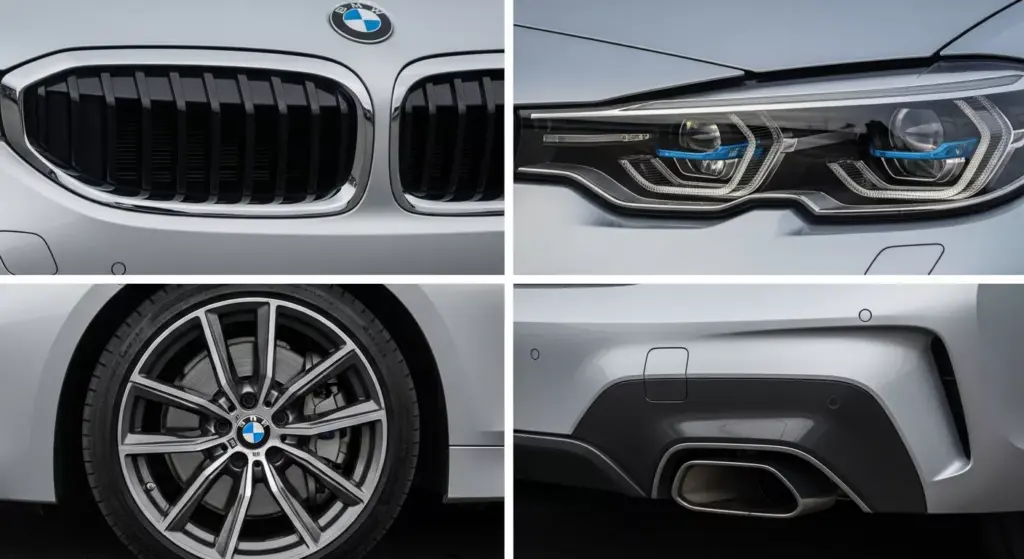
While this isn’t a full generational overhaul for the U.S. market (the eighth generation arrives in later years), the 2026 BMW 3 Series brings several meaningful updates. In the flesh, the changes are subtle but deliberate: the front fascia is sharpened, the kidney grille and lighting elements gain extra definition, and the rear sees refined tail-light graphics. Performance-sedan buyers will appreciate that the silhouette retains the classic proportions that made the 3 Series a benchmark.
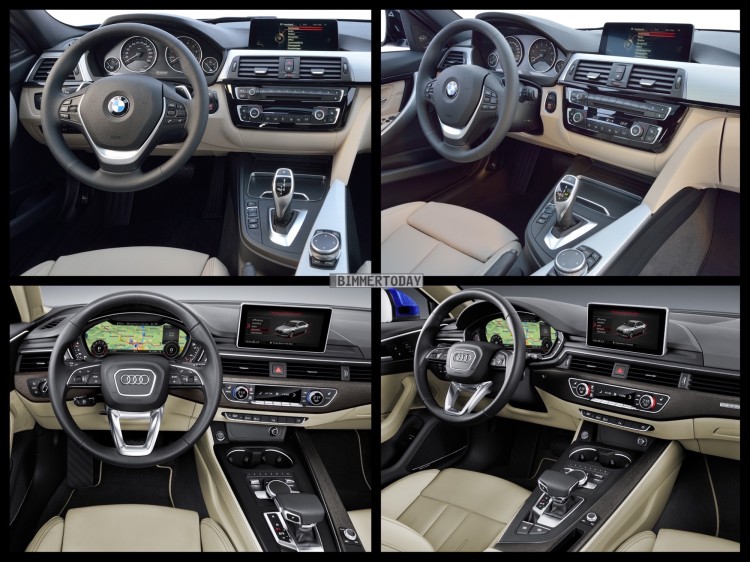
Inside, the more noticeable shift is the “curved” display spanning the driver’s view and the central console display. According to BMW’s U.S. site, the 2026 model features updated driver-assistance tech and refined materials throughout.
What does that mean practically for U.S. buyers? If you’ve spent time in an earlier generation 3 Series, you’ll recognize the driving position, the feel of the steering wheel, the sport-sedan proportion. But you’ll also sense the upgrades: sharper cabin lighting, more intuitive screens, and refined ambient touches. For someone who uses their car for commuting, weekend drives, or simply wants something that feels premium without slipping into full luxury-budget territory, this hit the sweet spot.
Tech & Connectivity: What’s Actually New
BMW doesn’t just talk about design: the 2026 3 Series introduces updated tech that matters in U.S. daily use. For example, the 14.9-inch central display plus a 12.3-inch instrument cluster are standard, with wireless Apple CarPlay and Android Auto, plus standard driver-assist features such as lane-keeping and forward-collision mitigation.
A few concrete upgrades for 2026:
- Digital Key capability (allowing you to use your phone as a car key) is now standard in many trims.
- The Parking Assistance Package now includes Side Protection and a 360-degree camera system.
- Speed-limit info, lane-change assistant and partial automated driving features are now available or standard in higher-level packages.
For U.S. drivers, this means less compromise between “sport-car feel” and everyday comfort. Whether you’re on your daily commute across Atlanta or planning a road trip from Phoenix to Las Vegas, you’ll appreciate that the tech isn’t just there for marketing—it actually helps make life easier. No more fighting with small infotainment screens or outdated connectivity. At the same time, the driving dynamics at the heart of the 3 Series remain intact.
Take a look at this post : Kia EV4 GT: U.S. Launch, Range, and Real Performance
Performance & Specifications That Matter
Here’s a streamlined table summarizing key specs for the 2026 BMW 3 Series (U.S. spec, early published numbers).
| Model | Engine / Motor | Approx. Power & Torque | 0-60 mph Estimate | Drivetrain |
|---|---|---|---|---|
| 330i | 2.0 L Turbo I4 | ~255 hp & ~295 lb-ft (est) | ~5.4 s (xDrive) | RWD or xDrive |
| M340i | 3.0 L Turbo I6 | ~386 hp & ~369 lb-ft (est) | ~4.1 s (xDrive) | RWD or xDrive |
Note: Exact values may vary by trim and final certification.
Real-world Impact
- For daily commuting: The 330i’s ~255 hp with a mature turbo I4 means you have ample power for highway merges or overtakes, yet it remains efficient enough to make sense in U.S. traffic.
- For spirited driving or weekend escapes: The M340i gets you into near-sports-sedan territory—with sub-4.5 s 0-60 times and all the mechanical toolkit of a true driver-oriented car.
- Efficiency & range: While full EV versions are still forthcoming, these ICE variants are optimized and the 2026 refresh means the 3 Series remains competitive from a cost-of-ownership standpoint.
In short: if you want a car that feels special yet remains practical, the new 3 Series delivers. If you want full EV performance, you might wait for the dedicated EV variant (which we cover next).
U.S. Market & Pricing Landscape
Attention to numbers matters: for U.S. buyers, pricing and availability are often deciding factors. According to early estimates, the 2026 BMW 3 Series starts around $48,675 for the base 330i model. Kbb.com+1 Higher trims (like the M340i) push into the mid-$60,000s depending on options.
This positions the 3 Series firmly in the mid-luxury sedan segment, offering a lot of value compared to full luxury limousines or SUVs, yet less compromise than entry-luxury models. From a U.S. buyer’s perspective, that balance is attractive: you’re getting premium brand, sporty feel and tech upgrades without paying luxury-SUV pricing.
Availability: Production reportedly starts in August 2025 for the 2026 model. BMW BLOG+1 That means U.S. deliveries for many buyers will likely occur in late 2025 or early 2026 seasons. Keep that timeline in mind when planning your purchase—especially if you want early build options or special color/trim choices.
Rivals & Comparisons: Where the 3 Series Stands Out
Any luxury sport sedan has to fight for attention. How does the 2026 BMW 3 Series stack up? Its main competitors include the Mercedes‑Benz C‑Class, the Audi A4, and—depending on how you look at it—the Tesla Model 3 (for buyers leaning toward tech/EV) or the upcoming luxury EV options.
Strengths
- Driving dynamics: BMW’s heritage in sport sedans still gives the 3 Series an edge in steering feel, balance and engagement.
- Tech & interior value: With the updated displays and driver-aid features, you’re getting premium tech at a “less premium” price point.
- Brand recognition and resale: The 3 Series remains a foundational model for BMW in the U.S., which helps with depreciation and recognition.
Trade-offs
- EV range: If your priority is full electric driving with long range, the current ICE 3 Series won’t match dedicated EVs—though BMW’s forthcoming EV variant may close that gap.
- Space and rear seat comfort: While decent, midsize sedans often sacrifice rear-seat comfort compared to larger luxury sedans or SUVs.
- Price creep: Option packs can push the sticker higher—so if you’re not careful, you might approach luxury SUV pricing without the added utility.
In context: Tesla Model 3 vs BMW 3 Series
If you’re comparing the 2026 BMW 3 Series to a Tesla Model 3, your choice might come down to “driving feel vs ecosystem.” The BMW offers a more nuanced driving experience, physical controls, refined luxury touches. The Tesla offers full EV zero-emissions, software updates, and a different kind of tech appeal. Decide what matters most.
What’s Next? The EV Factor & Future Launches
One of the biggest reasons the 2026 BMW 3 Series is trending is that it sits at the cusp of BMW’s electrified future. BMW has teased that an all-electric sedan (called the i3 in some markets) will ride on the Neue Klasse platform and eventually share design cues with the 3 Series.
While the ICE version remains relevant today, if you’re thinking long-term (5–10 years), this model gives you a kind of “bridge” between current luxury sport sedans and full EVs. BMW also indicated production of the next-gen 3 Series will begin in late 2026/2027.
For U.S. buyers, that means:
- If you buy the 2026 3 Series now, you’re not getting “yesterday’s car.” You’re getting a very capable luxury sport sedan with modern tech and good value.
- If you want full EV commitment now, you may want to wait—but be aware that EV availability, charging infrastructure, build dates and pricing can introduce delays.
- For many drivers, this model offers the best of both worlds: sport-sedan handling, brand prestige, modern tech, and the option to move to BMW’s EV ecosystem later.
Take a look at this post : Leapmotor D19 – Flagship EV SUV Redefining Range & Luxury
Conclusion: Who Should Buy Now?
If you’re an enthusiast who still loves driving, you’ll appreciate the 2026 BMW 3 Series. It keeps the sport-sedan DNA alive, upgrades the interior tech, and offers real value in the U.S. market. If your daily life includes commuting, city traffic, and weekend driving escapes, this model hits the sweet spot.
On the flip side, if your priorities lean heavily toward full electric driving today, or if you need maximum rear-seat/logistics space or ultra-low-running-cost ownership, you might want to explore upcoming EVs or larger luxury sedans.
But for many U.S. buyers wanting “premium, fun, practical”, the 2026 BMW 3 Series is one of the smartest buys on the table. Whether you’re cruising I-95, tooling around Atlanta traffic or escaping to the open road, this sedan delivers—without requiring you to wait years for an electric build.
If you’d like, I can pull together a deep dive on trim-by-trim comparisons, dealer-inventory availability in the U.S., and projected resale values for the 2026 BMW 3 Series. Would you like me to do that?