Electric cars have gone through a strange cycle in the United States during the past five years. First came the hype, then the skepticism, and then — almost suddenly — the quiet realization that Americans actually want EVs that just work. Cars that don’t shout for attention, don’t demand luxury-car prices, and don’t expect drivers to rearrange their lives around charging schedules.
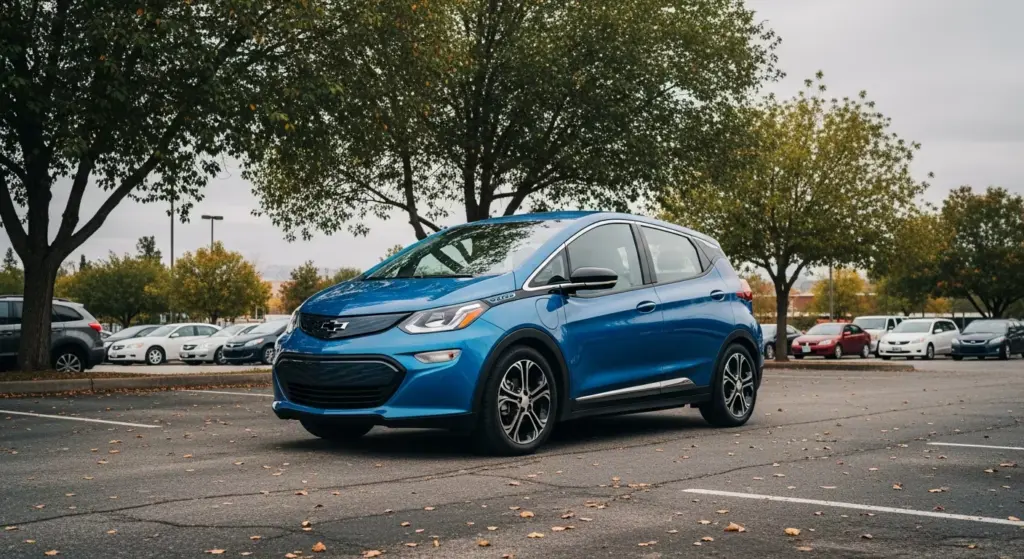
That’s exactly the mood in which the 2027 Chevrolet Bolt has made its comeback.
There’s no massive billboard campaign behind it, no Hollywood-style launch event, and no attempt by Chevrolet to paint this car as the future of transportation. Instead, the Bolt’s return feels almost humble — like a practical solution walking back into a room where everyone is exhausted by options that forgot what “affordable” means.
And maybe that’s why its reappearance has suddenly become one of the most talked-about EV updates in the U.S. this year.
A Comeback Rooted in Real Needs, Not Marketing Noise
When Chevy discontinued the Bolt in 2023, it was a bittersweet moment. People loved the car — not for being glamorous, but for being dependable and approachable. What followed was an unexpectedly emotional wave of reactions from owners who praised the Bolt for one thing above all: it simply fit their lives.
So when the whispers began that Chevrolet was reviving the Bolt for the 2027 model year, the excitement didn’t come from typical EV influencers. Instead, it came from teachers, nurses, retirees, college commuters, and everyday Americans who wanted an EV that didn’t require a second mortgage.
The biggest twist? Chevy hasn’t tried reinventing the wheel. Instead, the 2027 Bolt focuses on the two things buyers asked for the most:
- A realistic range that doesn’t cost a fortune.
- Charging compatibility that doesn’t require planning spreadsheets.
The good news is: both requests were taken seriously.
Take a look at this post : Ferrari’s First EV, the Elettrica, Set to Launch in Late 2026
A New Battery Philosophy — And Why It Makes Sense for the U.S. Market Now
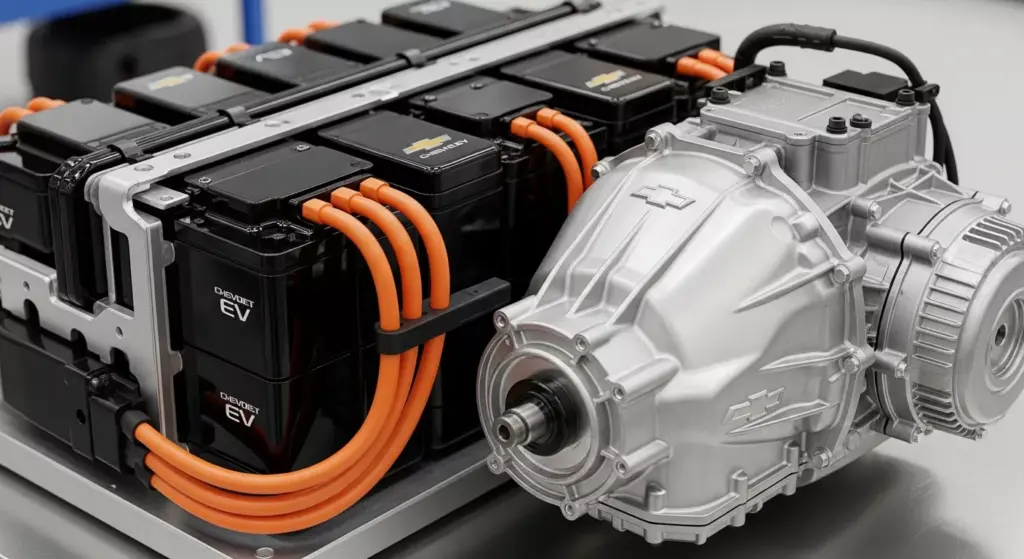
Inside the 2027 Chevrolet Bolt sits a 65 kWh LFP (Lithium Iron Phosphate) battery, which has quietly become the unexpected hero of affordable EVs. LFP packs don’t chase record-breaking range numbers, but they excel at something more important: stability, long cycle life, and resilience in mixed climates.
For the U.S., where a single household can experience summer desert heat and winter snow in the same year, this matters more than people think.
Chevrolet’s estimated ~255 miles of real-world range doesn’t try to compete with premium EVs promising 350–400 miles. Instead, Chevy picked the sweet spot: enough range for the weekly school run, the daily commute, weekend grocery trips, and even a casual round-trip to a nearby city — without adding thousands of dollars to the price.
And speaking of price, that’s where the Bolt’s battery strategy really shines.
Charging Without Drama: The Bolt’s Smartest Upgrade Yet
For years, one of the most exhausting EV debates has been charging standards. CCS, CHAdeMO, adapters, incompatible stations — it all made public charging feel like technical homework.
Chevrolet solved this with one move:
👉 The 2027 Bolt uses the Tesla-style NACS charging port.
This instantly gives Bolt drivers access to America’s most dependable fast-charging network. No more “is this charger even working?” anxiety. No more staring at a dead CCS station on a freezing night. Just plug in and go.
With support for 150 kW DC fast charging, the Bolt can add major mileage in roughly half an hour — perfect for highway coffee breaks or quick top-offs during errands.
For everyday U.S. drivers who don’t have dedicated home chargers, this one upgrade alone makes the Bolt one of the most practical EV choices under the $30K mark.
A Cabin Designed for People Who Don’t Want Gimmicks
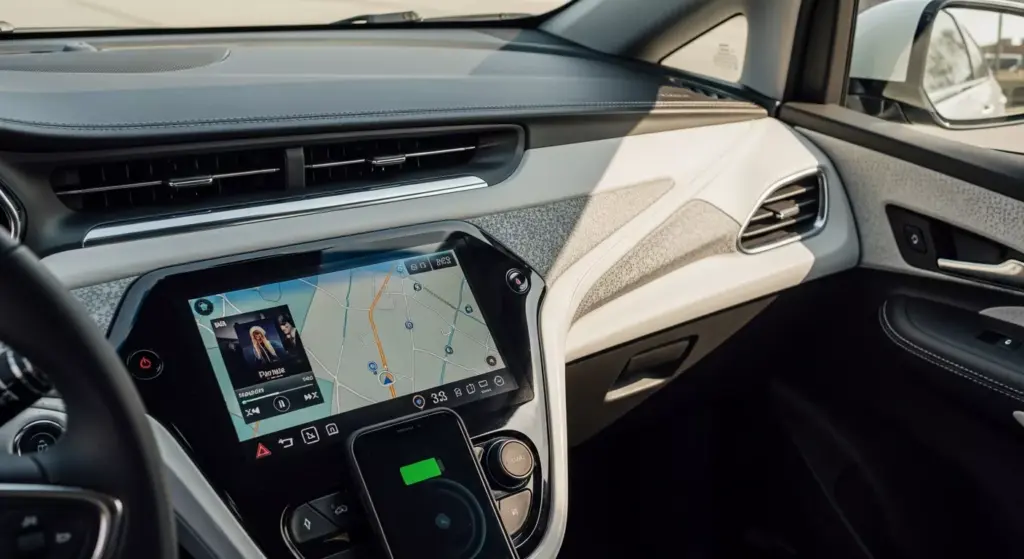
Climb inside the 2027 Bolt and you’ll notice something refreshing: nothing about the interior feels like it’s pretending to be a spaceship.
There’s an 11.3-inch infotainment display, but it’s oriented the right way — towards the driver, not towards a camera crew. The menus are simple, the animations aren’t trying to audition for a CGI studio gig, and the whole interface feels more like a well-organized smartphone than a tech startup’s science project.
The driving cluster is crisp and legible. The seats have been redesigned for better support. The storage spaces finally feel practical instead of experimental. And the climate controls — thankfully — have physical toggle points where you’d expect them.
It’s a cabin built for American routines, not Silicon Valley fashion trends.
Take a look at this post : Toyota Revives the C-HR as a 338-HP EV for US in 2026
Real-World Performance: Not a Race Car, And That’s the Point
When it comes to the driving feel, the Bolt remains what it has always been: confident, predictable, and built for the type of driving 95% of Americans actually do.
The updated motor delivers roughly 200+ horsepower, enough to merge onto highways without hesitation, climb steep suburban hills, or carry a full cabin of passengers on weekend drives.
On city streets, the one-pedal driving mode is smooth — not jumpy — and allows for relaxed coasting. The regenerative braking feels like a natural part of the driving rhythm instead of a sharp, unnatural tug.
Take the Bolt onto long stretches of open highway, and it settles into a calm, steady cruise — the kind that makes road trips feel less like chores and more like small adventures.
Specs Table (Human-Readable & Practical)
| Feature | 2027 Chevrolet Bolt |
|---|---|
| Battery | 65 kWh LFP |
| Estimated Range | ~255 miles |
| Fast Charging | 150 kW DC |
| Charge Port | NACS (Tesla standard) |
| Motor Output | ~200–210 hp (approx.) |
| Drive | FWD |
| Displays | 11.3″ main screen + digital cluster |
| Price Target | Under $30,000 (expected) |
| Special Feature | Vehicle-to-Home (V2H) capability |
What These Specs Mean in Daily Life
- 255 miles means many drivers can go an entire workweek without plugging in.
- 150 kW charging means road trips are finally realistic in an affordable EV.
- LFP battery means better longevity and lower maintenance anxiety.
- NACS port means nationwide charging without hunting for reliable stations.
How the 2027 Bolt Stacks Up Against Rivals
Against the Nissan Leaf
The Leaf still tries, but its aging platform and slower charging speeds make it hard to recommend over the Bolt unless heavily discounted.
Against the Tesla Model 3 (base)
The Model 3 offers more range and more performance — but at a significantly higher price. For budget-focused buyers, Bolt wins the “value of peace of mind” award.
Against the Hyundai Kona Electric
Kona is close in range and tech, but its pricing often floats higher. Bolt’s low cost gives it a practical edge.
Against Used EVs
Many buyers tempted by the used EV market may find that a brand-new Bolt, with warranty and fresh battery tech, offers far better long-term stability.
Why the Bolt’s Return Actually Matters Right Now
If this relaunch had happened in 2021, the Bolt might have drowned in the noise. But in 2027? The timing is perfect.
Consumers are tired of overly complicated EV choices. They want:
- Something they can afford.
- Something they can trust.
- Something that doesn’t require them to become EV experts.
The 2027 Bolt slots into that demand like a puzzle piece that was missing for years.
Lifestyle & Real-World Scenes Where the Bolt Truly Shines

1. Suburban Daily Life
The Bolt is perfect for parents juggling school runs, office commutes, and weekend errands.
2. College Students & First-Time Buyers
Low running cost + easy charging = reliable companion for dorm-to-campus life.
3. City Dwellers Without Home Chargers
Access to Tesla Superchargers is a game changer.
4. Retirees Wanting Something Simple
The Bolt’s stability and modest range fit relaxed driving habits.
Take a look at this post : Jeep’s 2026 Recon EV Launched — 650 HP, Removable Doors & 250-Mile Range
Who Should Buy the 2027 Chevrolet Bolt Right Now?
- Daily commuters
- Budget-conscious buyers
- EV newcomers
- Households wanting a second car
- People wanting NACS access without buying a Tesla
Who Might Want to Wait
- Those needing 300+ mile range
- Drivers in extremely cold climates
- Anyone needing AWD
Final Verdict: A Sensible, Honest, Almost Refreshingly Normal EV
In an EV world filled with loud promises and aggressive branding, the 2027 Chevrolet Bolt feels refreshingly grounded. It doesn’t try to be a luxury tech showcase. It doesn’t pretend to reinvent mobility. It simply arrives with the kind of balance Americans have been quietly hoping for — range that makes sense, charging that removes anxiety, pricing that feels realistic, and a driving experience that blends right into everyday life.
If you want an EV that does its job without demanding attention, the 2027 Bolt is exactly that kind of companion.