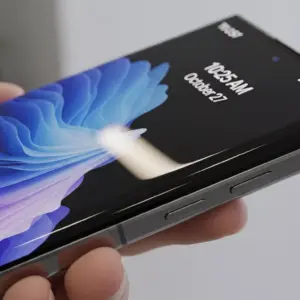
There’s a strange irony in 2025’s tech scene. While phone makers chase foldable screens, AI-powered assistants, and edge-to-edge displays, an American company out of Brooklyn has done the opposite — built a phone that deliberately does less. The Light Phone III is not about more megapixels or bigger screens; it’s about clarity, peace, and reclaiming attention in an era of constant notifications.
For U.S. buyers, this launch hits a nerve. After years of digital burnout, screen-time anxiety, and social-media fatigue, a phone that promises silence instead of noise feels refreshing. Across forums and TikTok clips, you’ll see the same phrase echoing: “Finally, a phone that respects my time.”
From Niche Idea to National Trend
When the first Light Phone shipped years ago, it was a curiosity — a companion device for people who wanted to disconnect on weekends. The Light Phone III, however, marks the company’s boldest step yet. It’s no longer a “sidekick” to your iPhone or Pixel; it’s built to replace them.
The device features a matte 3.92-inch AMOLED display, a 50 MP rear camera, and 8 MP front shooter — modern specs wrapped in an aluminum frame. It runs on LightOS, the brand’s own operating system that avoids addictive apps yet adds genuinely useful tools: navigation, music, hotspot, and messaging.
What’s different this time? The timing. Americans in 2025 are more conscious of screen time than ever. With the rise of wellness movements, digital fasting challenges, and the “silent-phone” trend, Light Phone III has found itself at the heart of a cultural shift.
The Specs That Actually Matter
| Feature | Specification | Everyday Impact for US Users |
|---|---|---|
| Display | 3.92″ AMOLED (1080×1240, matte) | Bright in sunlight, perfect for outdoor use — ideal for riders and travelers. |
| Processor | Snapdragon 4 Gen 2 + 6 GB RAM | Smooth performance without bloat apps draining battery. |
| Storage | 128 GB | Enough for photos, music, offline maps. |
| Rear Camera | 50 MP | Snaps crisp shots on road trips and city rides. |
| Front Camera | 8 MP | Decent for video calls without beauty-filter nonsense. |
| Battery | 1,800 mAh (user-replaceable) | Small but swappable — carry a spare on the go. |
| Network | 5G, USB-C, Dual SIM | Seamless with US carriers and travel SIMs. |
| Price | $599 (pre-order) / $799 (retail) | Premium for purpose-built minimalism. |
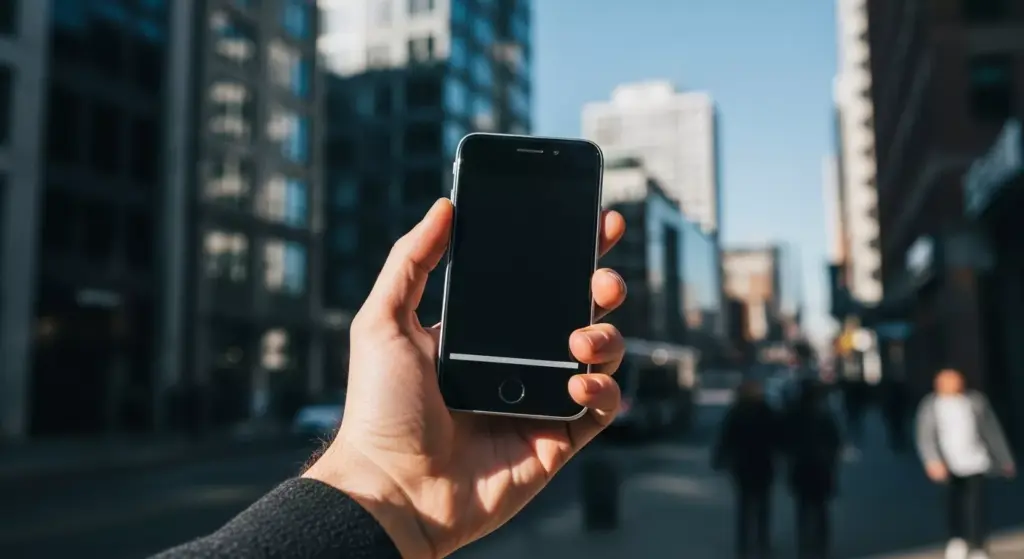
In everyday U.S. life, those numbers translate to practicality. Riders on Route 66 or commuters in Seattle don’t need a thousand apps; they need a phone that lasts, navigates reliably, and lets them be present. That’s the Light Phone III’s strength — it gives you only what you’ll actually use.
Take a look at this post : Apple iPhone 17 Pro: When Your Phone Starts Driving the Future
Real Updates That Show Commitment
The Light Phone III’s evolution didn’t stop at launch. Through 2025, the company rolled out multiple software updates refining its LightOS platform. The recent v526 build, for instance, improved battery calibration, Wi-Fi reconnect speeds, and introduced a Night Display mode for soft-tone reading after dark.
It’s rare for a small manufacturer to maintain an active update cycle, but Light has made transparency its hallmark. The change logs are public, and users are encouraged to suggest new “tools” instead of “apps”. Imagine a company that still believes your phone should serve you, not the other way around.
Performance and Daily Life: A Different Kind of Speed
On paper, a Snapdragon 4 chip may sound modest compared to flagship monsters. But real-world use tells a different story. Without the heavy app ecosystem, the phone feels snappy. Calls connect instantly, GPS loads within seconds, and messages send without lag.
It’s the kind of “fast” that feels invisible — not benchmark-fast, but human-fast. No waiting for endless updates or ads clogging your feed. For U.S. users balancing work and outdoor life, this minimalism has practical rewards: better focus, longer attention spans, and genuine disconnection when needed.
How It Stacks Up Against Big Tech
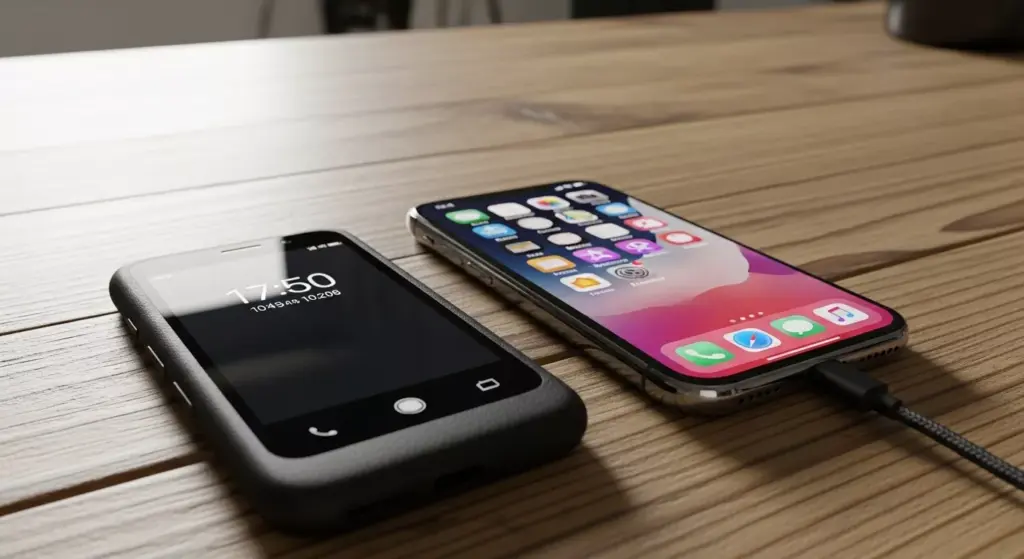
When placed beside an iPhone 16 Pro or Pixel 9 Pro, the Light Phone III looks almost comically simple. But that’s the point. Apple’s ecosystem revolves around integration; Light’s revolves around absence.
Where an iPhone throws notifications from a dozen apps, LightOS only pings you when something truly matters. The difference feels liberating. In reviews, many U.S. users said switching to the Light Phone III felt “like breathing again.”
Still, it’s not for everyone. The small battery won’t outlast multi-day trips without a spare, and there’s no YouTube, Instagram, or Gmail app. You can text, call, map, and play your music — and for many, that’s enough.
Take a look at this post : Motorola Edge 50 Ultra: Why This Flagship Could Shake Up the U.S. Market
U.S. Market Response & Why It’s Catching On
Pre-orders sold out within days of announcement in March 2025. Independent stores in New York, Austin, and San Francisco reported waiting lists of several weeks. Tech reviewers across YouTube praised its design honesty, while forums like r/digitalminimalism buzzed with users sharing how it reshaped their habits.
The biggest surprise? Interest from mainstream buyers. Not just minimalists, but parents buying for teens, professionals seeking focus, and riders who want navigation without social temptation.
There’s also the sustainability angle. The Light Phone III’s aluminum build and replaceable battery align with new U.S. regulations encouraging right-to-repair. In an industry drowning in e-waste, that matters.
Living with Light Phone III — A Week in the Real World
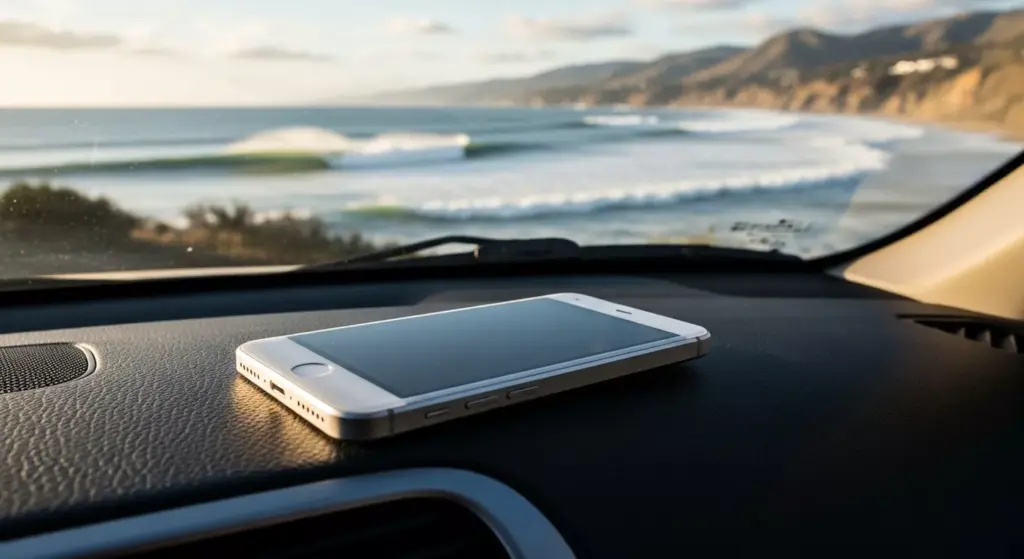
Imagine you’re cruising along Highway 1 in California, sunlight bouncing off the Pacific. Your phone sits on the dashboard, quietly displaying the next turn. No notifications, no social media icons begging for taps. Just the road and the sound of your playlist.
That’s the Light Phone III experience in essence. It doesn’t fight for attention; it supports it. When you stop for coffee, you check the time, maybe reply to a message, then slip it back in your pocket. It’s not a device that defines your day—it disappears into it.
For bikers and travelers in the U.S., that subtlety is gold. It keeps navigation intuitive without the information overload.
Why This Launch Matters Now
Every decade or so, a product comes along that doesn’t just join the market—it critiques it. The Light Phone III is that quiet protest. Amid a culture obsessed with constant connection, it invites a pause.
For U.S. buyers, it’s not just another gadget; it’s a philosophy wrapped in metal and glass. It proves there’s room for simplicity in a market addicted to specs. Whether it becomes mainstream or stays niche, its influence is already clear — you’ll see echoes of its philosophy in how people talk about digital wellness today.
Take a look at this post : ASUS Zenfone 12 Ultra Review Preview – A Surprise Challenger to Galaxy and Pixel
Verdict: Who Should Buy the Light Phone III?
✅ Buy It If:
- You crave fewer distractions and simpler tech.
- You travel, ride, or work outdoors and value durability.
- You want a sustainable, right-to-repair phone.
⚠️ Skip It If:
- You rely heavily on social or productivity apps.
- You expect large-battery endurance.
- You want premium entertainment features.
Final Thought: The Light Phone III isn’t for everyone—but that’s its power. It’s for people who’ve realized life’s too short to scroll away. If 2025 is about reclaiming focus, this tiny Brooklyn-built phone might just be the biggest idea in American tech.