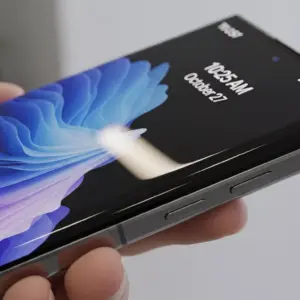
If you’re in the US and shopping for a 5G smartphone that brings premium-level features without flagship pricing, the Redmi Note 14 5G is impossible to ignore. With 5G adoption rising, consumers expect more than “just a phone” — smoother displays, sharper cameras, longer endurance — and this model aims to deliver.
For US buyers, factors like carrier compatibility, global launch timing, and real-world usability matter right now. With economic uncertainties, budget-conscious buyers are raising the bar: they don’t want watered-down features; they want standout specs at accessible cost. That’s exactly where the Redmi Note 14 5G enters the scene.
Global Launch & Market Context
The Redmi Note 14 5G was launched globally following its debut in India and China. For instance, the global version was announced for release on January 10 2025.
The model is also certified in multiple regions — including Indonesia and via FCC filing in the US — hinting at wider international availability
Why this matters to US buyers: global launches mean more competition, better pricing, and faster trickle-down of features from premium to mid-range. In a crowded US mid-range smartphone market, the Redmi Note 14 5G positions itself as a value disruptor.
Design & Display That Punches Above Its Price
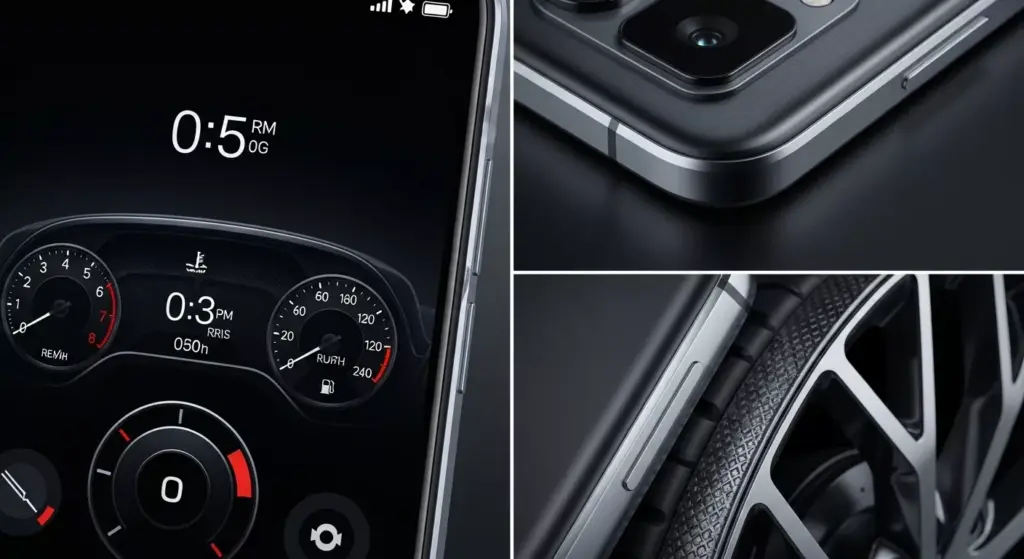
At the heart of this phone’s appeal is its display and design. The 6.67-inch AMOLED panel supports a 120 Hz refresh rate, offers peak brightness of 2,100 nits and is protected by Gorilla Glass 5. Xiaomi+1 The body is remarkably slim and light for its class — just 7.99 mm thick and about 190 g in weight. Xiaomi
For US users who stream outdoors, use multi-task apps, or switch between productivity and entertainment, the smooth 120 Hz refresh makes a noticeable difference: scrolling feels fluid, animations responsive, and the screen stays readable under harsh daylight. The design offers three colour options and the build includes dust & water resistance (IP64) — a rare feature at this price tier. Gizchina+1
On the flip side: while the design is premium for the price, you may not get ultra-luxury materials (such as glass-sandwich) or the highest tier IP68 protection found in flagship phones.
Take a look at this post : Apple iPhone 17 Pro: When Your Phone Starts Driving the Future
Performance, Battery Life & Features
Key Specifications
| Spec | Details |
|---|---|
| Processor / Chipset | MediaTek Dimensity 7025-Ultra (6 nm) Xiaomi+1 |
| RAM & Storage | Up to 12 GB RAM + 512 GB storage (variants) Xiaomi+1 |
| Battery | 5,110 mAh typical Xiaomi |
| Charging | 45 W wired charging support Xiaomi+1 |
| Connectivity | 5G, Dual SIM, NFC (regional), WiFi, BT 5.3 Xiaomi+1 |
The real-world impact: For everyday tasks like social media, streaming, light gaming or commuting, the Dimensity 7025-Ultra handles things smoothly. The 5,110 mAh battery is solid — for many users it should comfortably last a full day under mixed use. The 45W charging means you can top up fairly quickly when you’re on the go, though flagship phones today may support faster (~65-120W) charging speeds.
This phone also includes extras such as an in-screen fingerprint sensor, Dolby Atmos dual speakers, and a 3.5 mm headphone jack — features still valued by many users. Xiaomi
One caveat: heavy-use scenarios (gaming for several hours on 120Hz and 5G) may eat battery faster than casual use. So if you’re a power user, you might consider a model with a larger battery or faster charging.

Camera Setup & Imaging Performance
The camera is one of the headline features of the Redmi Note 14 5G. It packs a 108 MP main shooter (with OIS) paired with an 8 MP ultra-wide and a 2 MP macro lens. Xiaomi+1 The front camera is 20 MP.
In practical terms: the high-resolution main sensor means you have more flexibility to crop and still get good detail. The OIS helps in lower light and for video capture. For US users, whether you’re snapping photos of cityscapes, travel moments or quick food pics, the camera will deliver above-average results for this price.
Ultra-wide shots are useful for landscapes or group selfies, but the 2 MP macro is very much a “bonus” lens — not comparable to dedicated macro cameras on more expensive phones. Night performance is solid but not flagship-level.
So: it punches well above its class, but doesn’t quite match ultra-premium devices in extreme conditions.
Take a look at this post : Honor Magic 8 Pro Unveiled: The Flagship That Finally Feels Different
US Market Fit & Network Considerations
If you live in the US and are considering the Redmi Note 14 5G, there are important market-specific considerations.
It’s been certified in multiple markets including the US via FCC listing, which is a positive sign for compatibility. Gadgets 360+1 That said: global/ import variants may differ from US-carrier-optimized versions. Before buying, you should check whether your specific carrier (AT&T, T-Mobile, Verizon) supports the 5G bands this phone offers.
For US buyers this means: ✅ You could get excellent value; ❗ But you must confirm network band support (especially for 5G, mmWave, VoLTE/VoWiFi) and check warranty/repair support. If you buy from a local retailer/official US launch version, you’ll mitigate those risks.
Also worth noting: Software support (updates, security patches) may not match the ultra-long lifecycles of some US brands. Some users on forums suggest caution:
“Note 14 5G – Android 14-16, updates to January 2029” Reddit
So if you keep phones for many years, that may affect your decision.
In short: For US buyers looking for value and willing to check compatibility, this phone makes a strong case.
How It Stacks Up Vs. Rivals & Prior Generations
Comparison is key, so let’s see how the Redmi Note 14 5G fares.
Vs Previous Generation (e.g., Redmi Note 13 series)
- Upgraded display refresh (120 Hz vs maybe 90Hz or lower)
- Upgraded camera sensor (108 MP with OIS)
- Improved durability (IP64 rating)
These upgrades make the new model a meaningful step up rather than an incremental refresh.
Vs Mid-Range Rivals in the US
For a similar budget you might consider phones like the Samsung Galaxy A-series, Google Pixel “a-series” models, or Motorola mid-range. The Redmi offers highly competitive specs (display, camera, battery) for less money — but the rival phones often have stronger ecosystem/brand integration in the US (carrier support, update policy, service). So it’s a trade-off: more spec for less cost vs stronger ecosystem.
Bottom line: The Redmi Note 14 5G offers “bang for buck” very clearly, but you may sacrifice some of the US-specific polish or assurance.

Who Should Buy It — And Who Might Wait
If you are:
- A value-seeking US buyer who wants strong specs and 5G without flagship cost
- A student, traveler, commuter who will appreciate the responsive display, good camera and solid battery
– then this phone is a strong contender.
If you are: - Dependent on ultra-fast charging, top-tier update longevity, or full carrier/US ecosystem support
- A heavy gamer who wants maximum battery life/charging speed
– then you might wait for a slightly higher tier model or ensure you select the US-optimized variant with full support.
Ultimately: the Redmi Note 14 5G is a compelling choice for mid-range buyers, but like all phones it’s about matching it to your usage style.
Take a look at this post : OnePlus 15 Is Coming: A Massive Battery Meets a Bold New Look
Final Thoughts
The Redmi Note 14 5G delivers a compelling combination: 120 Hz premium display, high-megapixel main camera with OIS, solid battery and charging, global launch momentum — all wrapped in a design that feels more premium than its price. For US buyers who are willing to check carrier compatibility and live with slightly shorter update promises, it’s a standout value offer.
Areas for improvement: charging speed could be better compared to ultra-fast flagships; update support isn’t at the top of the industry; ecosystem/carrier polish may lag some US-first brands.
If you’re after pure value and a modern experience without paying a flagship tax, the Redmi Note 14 5G deserves serious consideration. If your priorities lean toward the absolute top premium experience or longest-term updates, you might invest a little more. But in the mid-range space, this one raises the bar.