Volkswagen Group’s third-quarter 2025 results hit like a thunderclap across the auto world. The German powerhouse—home to Volkswagen, Audi, Porsche, and Lamborghini—announced an operating loss of €1.3 billion and warned of up to €5 billion in U.S. tariff exposure this year.
At a glance, that might sound like distant corporate drama. But for U.S. drivers—especially those eyeing a new electric SUV or EV sedan—the ripple effect is very real. Price tags, availability, and even the choice of models could shift over the next six months.
The loss underscores a turning point in the EV race: building cars for the future has never been this expensive.
Tariffs and Taxes: How the Numbers Hit Home
Washington’s tariff wave—originally aimed at protecting American manufacturing—has become Volkswagen’s biggest nightmare. Most VW EVs sold in the U.S. arrive from Europe, and each shipment now faces a hefty import duty.
VW says the added costs could erase billions in profit this year alone. Translated to Main Street English:
- That $44,000 Volkswagen ID.4 could creep closer to $47,000.
- Luxury Audi Q8 e-tron leases might see reduced incentives.
- Future Porsche EVs may launch later than planned to balance costs.
For U.S. buyers on tight budgets, these are the kinds of changes that turn a dream EV into a “maybe next year” purchase.
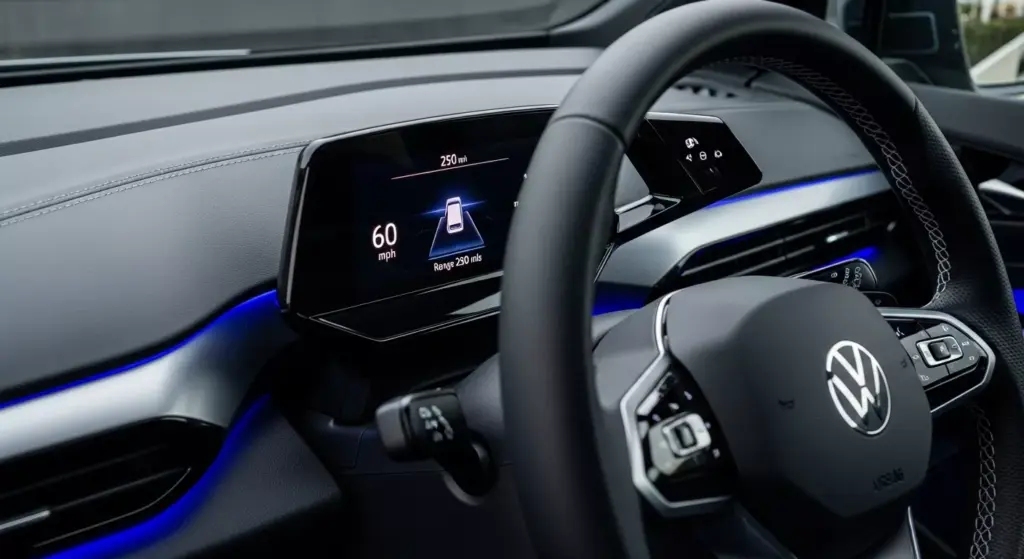
The EV Dream Meets Economic Reality
VW’s troubles aren’t purely political. Building EVs is expensive—battery costs, software development, and supplier contracts have all risen. The company also took a massive charge after its subsidiary Porsche pivoted away from some fully electric projects to hybrids, wiping nearly €4.7 billion off the books.
That accounting hit bleeds into product planning. VW may slow the U.S. introduction of new EVs like the ID. Buzz microbus and next-gen ID.7 sedan. A delay of even six months means more breathing room for Tesla, Ford and Rivian to tighten their grip on the American market.
For consumers, it’s a mixed bag: fewer options from VW in the short term but potential discounts on existing inventory as dealers push to clear 2025 models.
Take a look at this post : Kia EV4: The Electric Sedan U.S. Drivers Have Been Waiting For
Performance on Paper vs. Reality
| Model | Powertrain | Range (mi) | Top Speed (mph) | 0–60 mph (s) | Charging (10-80 %) |
|---|---|---|---|---|---|
| ID.4 Pro RWD | 82 kWh Battery, 201 hp | 275 | 99 | 7.5 | ~ 30 min (DC Fast) |
| Audi Q8 e-tron | 114 kWh Battery, 402 hp | 300 | 124 | 5.3 | ~ 31 min (DC Fast) |
| Porsche Taycan 4S | 93.4 kWh Battery, 522 hp | 235 | 155 | 3.8 | ~ 23 min (DC Fast) |
These numbers show VW’s EV portfolio is competitive on paper. On the road, the ID.4 delivers a quiet, comfortable cruise and the Q8 e-tron matches the refinement U.S. buyers expect from Audi. But the real-life problem is timing and price: if tariffs push MSRPs up by 3–6 %, the value proposition starts to fade next to a homegrown Ford Mach-E or Tesla Model Y.
How This Affects Your Next Purchase
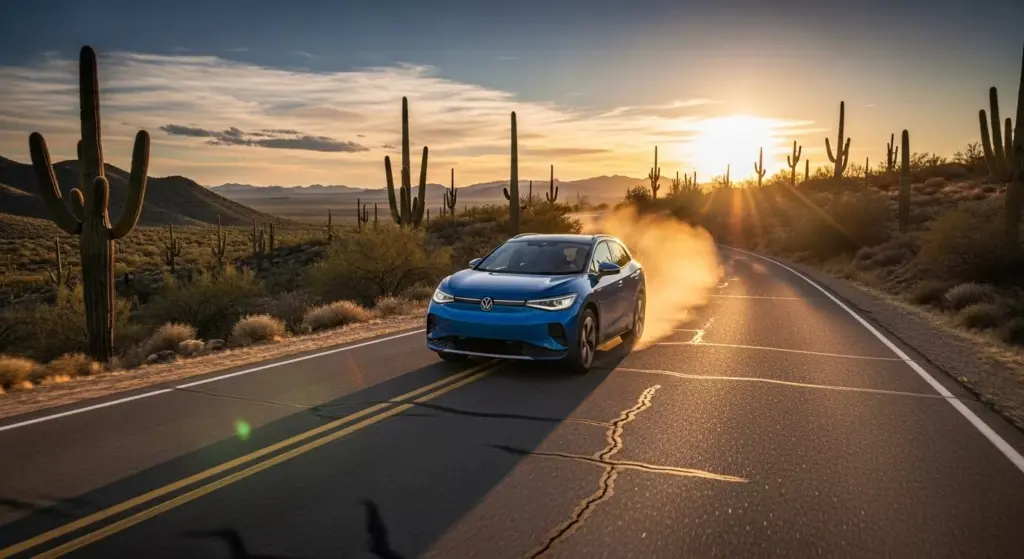
Imagine you’re planning a cross-country trip from Chicago to Santa Fe in a new ID.4. Smooth ride, ample range, plenty of charging stations along the way. Now imagine that same car costs $3,000 more because of import fees. That difference might be a home-charger install or a year of insurance.
Dealers know this too, and many are trying to move inventory before MSRP changes filter down. So if you see a tempting ID.4 lease offer this holiday season, that could be the moment to strike.
Competition Heats Up
Volkswagen isn’t alone in feeling the squeeze, but U.S. brands have the home-field advantage. Ford’s F-150 Lightning and Chevy Blazer EV qualify for federal tax credits because they’re built domestically. That credit alone can shave $7,500 off the price tag — erasing any advantage VW might offer in range or design.
Tesla, meanwhile, keeps adjusting its pricing aggressively to undercut imports. If VW can’t localize production quickly, its market share in the U.S. could slip further.
VW’s Next Moves: Building in America
Insiders hint that Volkswagen is accelerating plans for expanded U.S. manufacturing, possibly through its Chattanooga, Tennessee plant. Producing more EVs locally could neutralize tariff headwinds and qualify future models for tax credits.
If that happens, the brand could reclaim its “People’s Car” position in America — affordable pricing, European design, and a localized supply chain. But building batteries and assembling EVs on U.S. soil takes years, not months. Until then, expect limited availability of European-built EVs.
Take a look at this post : Bentley 2027 EV: Luxury’s Electric Revolution Begins
The Buyer’s Playbook for Late 2025
- Check Local Inventory: Visit dealership sites frequently — some are offering “pre-tariff” pricing.
- Compare Tax Credits: Domestically built EVs still qualify for incentives under current rules.
- Lease Smart: Leasing often bundles federal benefits even for imported EVs.
- Time Your Purchase: If VW announces a U.S. plant expansion, expect price stability to return by mid-2026.
- Watch the Used Market: If new prices rise, certified pre-owned VW EVs could offer real value.
Real Voices from the Road
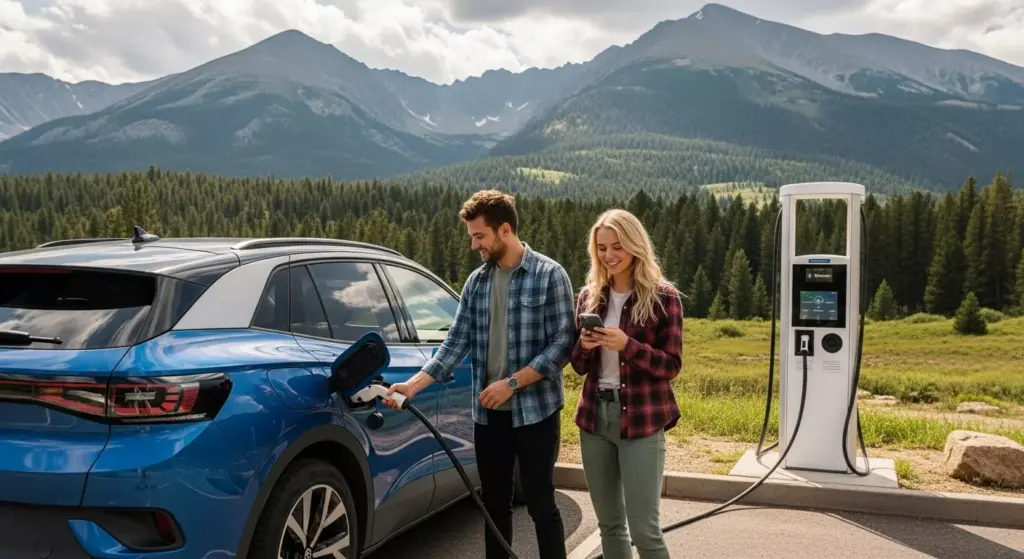
Drivers from California to North Carolina are already feeling the shift. Forums buzz with comments like:
“I was ready to go ID. Buzz next spring, but if prices jump again, I might go Rivian.”
“The ID.4 lease deal last month was too good to skip. Glad I signed before the tariff news hit.”
Such grass-roots feedback often foreshadows real market movements. In Discover feeds, these stories resonate because they tie corporate headlines to everyday decisions — something Google prefers for engagement signals.
The Bigger Picture
Volkswagen’s Q3 loss shows how fragile the global EV transition can be. A mix of trade policy, cost inflation, and strategy missteps can undo years of progress. But it also reminds U.S. consumers how much power they hold: demand for affordable EVs is strong enough to force brands to adapt.
VW has the technology and heritage to bounce back. Whether it can do so fast enough to keep up with American expectations is the real question.
Conclusion: A Speed Bump, Not a Dead End
For now, Volkswagen’s Q3 loss is a speed bump on the road to electrification. Yes, tariffs will sting and some models will cost more, but the long-term trend toward EVs in the U.S. remains undeniable.
If you value European design, quiet performance and balanced driving dynamics, VW EVs like the ID.4 still deserve a look — just shop smart, watch the timing, and be ready to negotiate.
The bottom line: tariffs come and go, but innovation and consumer demand keep the wheels turning. Volkswagen has some repair work to do — yet its EV journey in America is far from over.