Every once in a while, a phone drops that no one expected to shake the market — yet somehow does. The ASUS Zenfone 12 Ultra is that kind of surprise. It isn’t just another spec monster; it’s a statement that ASUS isn’t done competing with the Samsungs and Googles of the world.
Over the past few years, U.S. buyers have settled into predictable choices — Galaxy, iPhone, Pixel. But with the Zenfone 12 Ultra, ASUS is trying to re-ignite curiosity. The company has packed the new model with serious camera hardware, AI tricks, and a design that looks more mature than flashy. Whether you shoot YouTube videos on a weekend road trip or edit clips during your coffee break, this phone is clearly designed for those who create as much as they consume.
1️⃣ The Calm Before the Storm: Why This Launch Matters
ASUS hasn’t had a big mainstream moment in the U.S. for years. That’s partly because its phones often launched overseas first — and by the time they reached the States, hype had cooled off. But this time, things feel different.
Tech forums and Reddit threads are already buzzing with posts about the Zenfone 12 Ultra’s AI camera, its surprisingly big battery, and how it might stack up against the Galaxy S25 Ultra. Even without a confirmed U.S. launch date, enthusiasts are importing it early — just to test what ASUS has built.
It’s a reminder that in 2025, a phone doesn’t need a flashy billboard to trend. All it takes is genuine curiosity — and that’s exactly what ASUS has sparked again.
2️⃣ A Closer Look at the Design and Display
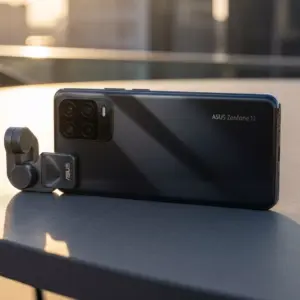
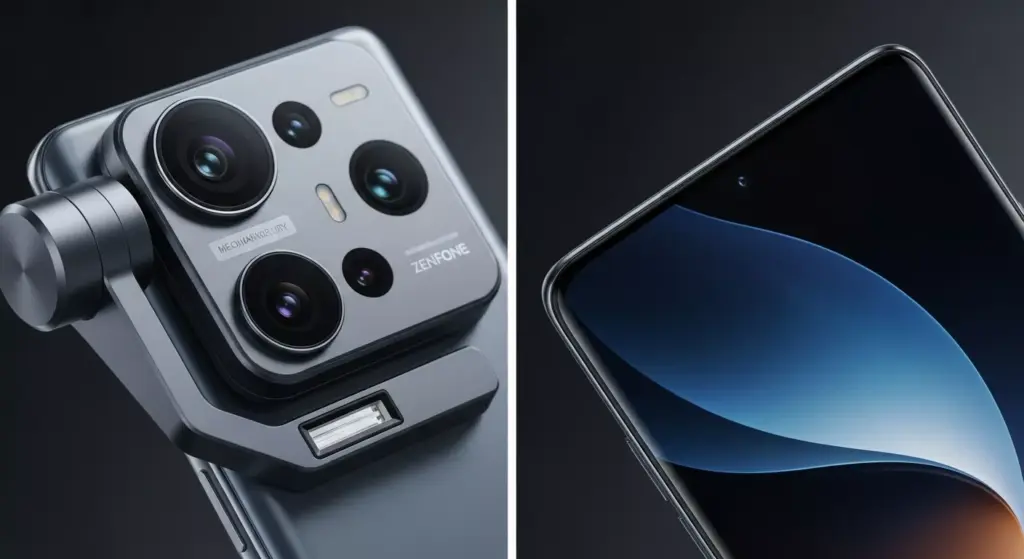
If you’ve ever held a Zenfone before, the first thing you’ll notice with the 12 Ultra is how grown up it feels. Gone are the sharp edges and over-styled backs. This one has smooth curves, a brushed metal frame, and a camera housing that instantly reminds you of a compact mirrorless camera.
The display is a 6.78-inch LTPO AMOLED panel that can drop to 1 Hz or climb to 120 Hz, depending on what you’re doing. Scrolling feels buttery smooth, yet it saves power when you’re just reading or watching static content. The colors are vivid without looking exaggerated — something photographers will appreciate when editing on the go.
Imagine holding it in your car mount, sunlight pouring through the windshield, and the screen still readable at full brightness. ASUS finally nailed outdoor visibility — something that even premium phones sometimes miss.
Take a look at this post : Apple iPhone 17 Pro: When Your Phone Starts Driving the Future
3️⃣ Specs That Actually Mean Something
| Feature | Zenfone 12 Ultra Specification |
|---|---|
| Processor | Snapdragon 8 Elite Gen 3 |
| Display | 6.78-inch LTPO AMOLED (1–120 Hz) |
| Main Camera | 50 MP Sony sensor, 6-Axis Hybrid Gimbal 4.0 |
| Telephoto | 32 MP 3× optical zoom |
| Ultrawide | 13 MP 120° lens |
| Battery | 5,500 mAh |
| Charging | 65 W wired / Qi 1.3 wireless |
| Protection | IP68 water & dust resistance |
| OS | Android 15 with Zen UI 11 |
Specs are one thing, but real-world behavior is another. That 5,500 mAh battery easily stretches through a heavy day — maps, photos, streaming, you name it. The gimbal-stabilized camera means smoother highway videos or stable handheld shots even on a bumpy trail. And the Snapdragon 8 Elite ensures there’s no lag whether you’re gaming, editing, or multitasking with AI tools running in the background.
4️⃣ The AI Angle: Practical, Not Just Buzzwords
Every brand is shouting “AI” these days — but ASUS seems to have found a sensible balance. The Zenfone 12 Ultra’s built-in assistant can summarize articles, translate calls live, and even re-compose photos after you’ve shot them.
One neat trick is “Scene Smart”, which automatically recognizes whether you’re capturing a sunset, a meal, or a moving subject and tweaks the tone in real time. It feels like what Google used to promise years ago — except here, it actually happens fast enough to notice.
And because some of these AI features work offline, travelers can still use them when they’re off the grid — say, crossing Nevada’s open highways with no signal bars in sight.

5️⃣ Performance Where It Counts
Snapdragon 8 Elite is the newest chip on the block, and the Zenfone 12 Ultra shows how well it can handle heat and performance together. The phone stays cool even under long gaming sessions — thanks to an upgraded vapor-chamber cooling system.
In real-life terms, that means you can edit 4K clips from your GoPro, play Genshin Impact at full settings, or livestream from your backyard barbecue without dropped frames. The balance between speed and battery endurance is genuinely impressive — a sign that ASUS finally figured out power management the right way.
Take a look at this post : Motorola Edge 50 Ultra: Why This Flagship Could Shake Up the U.S. Market
6️⃣ How It Stacks Against Rivals
Let’s call it what it is — ASUS is taking a swing at Samsung and Google here. The Galaxy S25 Ultra wins on ecosystem polish, but the Zenfone 12 Ultra counters with a better-balanced price-to-hardware ratio. Compared to the Pixel 9 Pro, ASUS feels faster, sturdier, and more flexible for pro users who don’t rely solely on Google’s cloud magic.
Where ASUS does need work: long-term software support. Two major Android updates is fine, but competitors are offering seven. For a $1,000+ flagship, that’s a real concern — and one that could sway careful buyers.
7️⃣ Availability and Early Buzz
ASUS unveiled the Zenfone 12 Ultra globally in early February 2025. While it’s available in parts of Europe and Asia, the U.S. release remains unconfirmed. However, grey-market units have already started circulating in New York and California through resellers, and early reviews are calling it “the most balanced Android flagship of the year.”
Interestingly, social chatter around the Zenfone 12 Ultra is growing faster than many expected. On X (Twitter), posts comparing its gimbal camera to Samsung’s OIS setup have drawn hundreds of thousands of views — proof that the audience is paying attention even without official ads.

8️⃣ Should You Wait or Dive In?
If you’re someone who upgrades every year and doesn’t mind importing a device, the Zenfone 12 Ultra is a thrilling choice. The camera stability alone makes it worth the hype for content creators. For everyday users, though, it might be worth waiting a bit — ASUS could officially announce U.S. availability soon, possibly with better carrier support and pricing bundles.
Either way, this phone marks an important shift: ASUS is back in the conversation.
Take a look at this post : Redmi Note 14 5G Could Shake Up the US Mid-Range Phone Market
🏁 Conclusion
The Zenfone 12 Ultra isn’t about flashy marketing — it’s about real progress. A balanced display, long battery life, practical AI tools, and a camera that doesn’t need a tripod. Sure, ASUS still has to prove it can support U.S. buyers long-term, but this launch shows the brand’s intent loud and clear.
For creators, travelers, and tech enthusiasts who crave something different, this might be the most exciting phone of early 2025. Sometimes, the best tech stories aren’t about who sells the most — but who surprises you the most. And right now, ASUS just did.